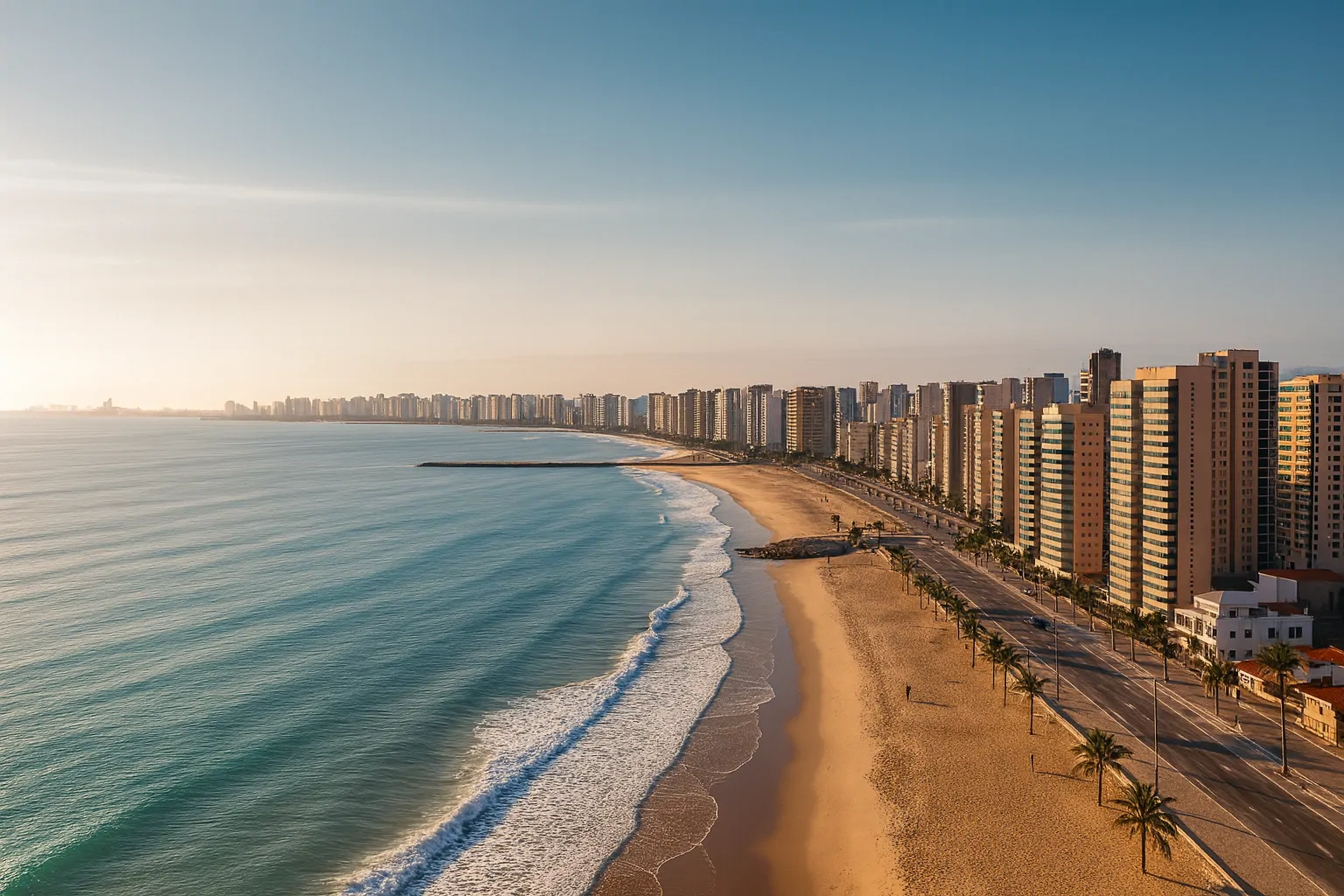
Whether you're selling a house, apartment, or land in Brazil, reach international buyers and pay 0% commission. A fast, simple way for private sellers across Brazil to advertise their property and save thousands.
4.8/5 - Trusted by +19,000 sellers
Selling a property in Brazil?
List your home, land or investment with Magnolia Property
and get maximum exposure.
✓
Huge international exposure
Your property on leading international property portals.
✓
Access to buyers across the world
Reach buyers in Europe, UK, Scandinavia, the US and more.
✓
0% commission - save thousands
Save thousands compared to traditional estate agents.
✓
Full control of your sale
Deal directly with buyers and at your own pace.
✓
Trusted since 2004
Over 19,000 private sellers have listed with Magnolia Property.
I advertised our beach house in Natal, Brazil on MagnoliaProperty.co.uk and it sold. I was surprised at the number of enquires due to covid. At the moment I have several other properties listed on Magnolia and recommend Magnolia as a place to advertise your properties.
I hereby wish to let you know that my apartment was sold after the first viewing from Magnolia Properties. Thank you for the use of your wonderful platform, should I wish to sell or buy another property, I will definitely be back!
A step by step guide for selling a property in Brazil privately.
1. Organising Legal and Property Documentation
Before you can sell your property in Brazil, gather the necessary documents. These include the deed of the property (Escritura), proof of no liens (Certidão de Ônus Reais), and Real Estate Property Tax (IPTU). Consult a local solicitor for comprehensive and up-to-date advice.
2. Setting a Realistic Asking Price
Research the current property market in your region, whether it's Rio de Janeiro, São Paulo, or elsewhere. Consider factors like property type, location, and condition to set a competitive price. You may wish to hire a local property appraiser for an accurate valuation.
3. Preparing Property Photographs and Descriptions
High-quality photos and detailed descriptions are crucial to attract potential buyers. Highlight unique features and the property's proximity to local amenities. If possible, include floor plans and property measurements. Remember, clear and honest representation is key.
4. Advertising to Domestic and Foreign Buyers
Advertise on popular Brazilian property websites and international platforms like MagnoliaProperty.com. Tailor your listing for the Brazilian market, but also consider the needs and preferences of foreign buyers, particularly from the USA and Europe.
5. Managing Buyer Enquiries
Respond to buyer enquiries promptly and professionally. Whether the interest comes from a local buyer in Brasília or a foreign investor in London, clear communication is vital. Be prepared to provide additional information or arrange virtual viewings.
6. Handling Viewings, Offers, Negotiations, and Agreements
Arrange viewings at convenient times and consider potential time zone differences for foreign buyers. Be open to negotiation but stand firm on your minimum acceptable price. Once an offer is accepted, a Purchase Agreement (Compromisso de Compra e Venda) is drafted.
7. Completing the Legal Process and Receiving Payment
The final sale is formalised at a local notary office in Brazil, where the Public Deed (Escritura Pública) is issued. Ensure the buyer has transferred funds before signing. Following the legal completion, the property registration is updated at the local Property Registry Office.
Understanding the Brazilian property market is crucial when deciding to sell your home or land. Diverse factors such as regional market conditions, buyer demand, and local variations can greatly influence the selling process and outcome. Being well-informed can help you navigate this dynamic landscape more effectively.
Key Trends & Market Overview
Property Prices and Market Direction: The residential property market in Brazil has been seeing a gradual increase in prices, particularly in major cities like São Paulo and Rio de Janeiro. This trend suggests a positive environment for sellers.
Transaction Activity and Buyer Confidence: There's a steady growth in property transactions, indicating a rise in buyer confidence. However, it's essential for sellers to present properties attractively and price them competitively to gain an edge.
Interest Rates, Mortgages and Affordability: Recent cuts in interest rates by the Central Bank of Brazil have made mortgages more affordable, likely increasing the pool of potential buyers for your property.
Domestic and International Buyer Activity: While domestic buyers remain key, there's an upturn in international interest, particularly from American and European investors seeking holiday homes or rental income opportunities.
Property Supply and Emerging Market Trends: New developments are concentrated in urban areas, but there's a growing trend towards rural and coastal properties, providing opportunities for sellers outside city centres.
Regional / Segment Variations
Capital and Major Urban Property Markets: Brazil's capital, Brasília, and other major cities like São Paulo and Rio de Janeiro, are highly populated and economically vibrant. These areas typically attract domestic and international buyers seeking residential, commercial, and rental investment properties. The demand is generally high, but it is matched by a wide variety of properties on offer, from modern apartments to historic homes. Consequently, the selling timescales may be longer due to the competition. Asking prices in these cities can range significantly based on the property's location, size, and available amenities.
Popular Coastal and Holiday Destinations: Property markets in coastal cities such as Florianópolis, Fortaleza, and Salvador are driven by the tourism industry. These areas are popular for holiday homes and rental properties, attracting both domestic and foreign buyers. Properties with sea views or close proximity to the beach command higher prices. Due to the seasonal nature of demand, selling timescales can vary, but properties are often sold quicker during the peak tourist season.
Rural and Inland Property Markets: In more rural areas and inland regions, such as Mato Grosso and Goiás, the property market is typically slower with lower demand. Here, properties tend to attract buyers interested in agriculture, ecotourism, or those seeking a quieter lifestyle. The asking prices are generally lower compared to urban or coastal areas, and the selling timescales may be longer due to reduced buyer interest.
Luxury and Investment Property: Luxury and investment properties are predominantly found in affluent areas of major cities like São Paulo and Rio de Janeiro, as well as in luxury beach resorts in Búzios and Angra dos Reis. These properties often attract high-net-worth individuals and property investors, domestically and internationally. As they typically command a high asking price, the selling timescales can be longer, as it may take more time to find a buyer who can meet the pricing requirements.
Areas with Stronger or Weaker Demand: Demand for properties in Brazil can vary significantly from region to region. Areas with stronger demand include São Paulo, Rio de Janeiro, and Florianópolis, fuelled by their economic activity, tourism, and quality of life. Conversely, regions such as Acre or Roraima may experience weaker demand due to their remote location and
Demand Drivers
Key factors influencing property demand in France include:
Brazil's real estate market is driven by a combination of factors, ranging from domestic demand to international investment, lifestyle migration, and economic development. These factors influence the sale of different types of properties across various regions in the country.
Domestic buyer demand: A steady rise in the middle-class population in Brazil has increased domestic demand for properties, especially in urban areas like São Paulo and Rio de Janeiro. Apartments and smaller houses in city centres and suburban areas are the primary focus of this demand.
International purchasers and their origins: Brazil's diverse landscapes and growing economy attract international investors, primarily from the US, Europe, and China. Foreign buyers are primarily interested in luxury villas and beachfront properties in regions such as Bahia and Rio Grande do Norte, as well as commercial real estate in major cities.
Retirement and lifestyle migration: The warm climate, beautiful landscapes, and laid-back lifestyle make Brazil an attractive destination for retirees, especially from North America and Europe. Coastal towns in the Northeast region, such as Fortaleza and Natal, are popular for their affordable yet high-quality villas and apartments.
Tourism and second-home ownership: Brazil's thriving tourism industry, particularly in destinations like Rio de Janeiro, Florianópolis, and Salvador, has led to increased demand for vacation homes. These are typically apartments and villas in tourist hotspots.
Infrastructure and economic development: Government initiatives to improve infrastructure and stimulate economic development have boosted property demand in emerging areas. This is particularly evident in the commercial property sector in cities such as Curitiba and Porto Alegre, as well as in industrial areas within the states of São Paulo and Rio de Janeiro.
Risks & Considerations
Title and Property Registration: In Brazil, property ownership is registered with the local 'Registro de Imóveis' (Real Estate Registry). Ensure your property's title is correctly registered and free from any liens or encumbrances. If discrepancies are found, they can lead to delays or complications in the selling process. It's advisable to consult a 'Tabelião' (Notary Public) to verify all documents.
Building Permits and Planning Compliance: Brazil's building regulations can vary significantly between cities and regions. As a seller, it's crucial to ensure your property complies with all local zoning, building codes and planning permissions. Non-compliance can impact the sale and potentially result in fines. Engage a local 'Advogado' (Attorney) to check your property's compliance.
Seller Taxes and Transaction Costs: Be aware of the 'Imposto de Transmissão de Bens Imóveis' (Real Estate Transfer Tax) that applies to the seller in Brazil. Additionally, sellers often bear the cost of the 'Escritura Pública' (Public Deed), a legal document required for property transactions. The exact cost can vary depending on the property's value and location.
Restrictions Affecting Foreign Buyers: Brazil imposes certain restrictions on foreign ownership of property, particularly in rural areas and areas near national borders. If your property falls within these categories, it may limit the pool of potential buyers. It's advisable to understand these laws and their impact on your sale.
Market Liquidity and Pricing Risks: Property market conditions can fluctuate significantly in Brazil, influenced by economic factors and regional trends. Cities like São Paulo and Rio de Janeiro may have different dynamics compared to rural areas. Be realistic about pricing your property to attract potential buyers and minimise the risk of it remaining unsold for a prolonged period.
Selling property in Brazil FAQs
What professionals do I need to engage when selling property in Brazil?
In Brazil, you'll need a lawyer to help with legal documentation and a notary public to authenticate the sale deed. Some sellers also engage a 'despachante' to navigate the bureaucracy.
What documents do I need to sell a property in Brazil?
Key documents include the property title, a tax clearance certificate from the municipality, and an energy performance certificate. A lawyer can help you gather these.
How long does it typically take to sell a property in Brazil?
The timeframe can vary greatly, but typically, it takes 3-6 months to sell a property in Brazil. This includes time for marketing, negotiation, and completion of legal procedures.
What is the process of accepting offers and deposits when selling a house in Brazil?
Once an offer is accepted, a purchase contract is signed and a deposit paid, typically 10-20%. The balance is paid upon completion, which is confirmed by a notary.
Are there any restrictions on foreign buyers purchasing property in Brazil?
Foreign buyers can purchase property in Brazil with few restrictions. However, there are limitations on rural and border areas. Always consult a lawyer for advice specific to your situation.
Do I need an energy certificate to sell my property in Brazil?
Yes, you need an energy performance certificate when selling property in Brazil. This assesses the energy efficiency of your property and is required by law.
What taxes and costs are payable by the seller when selling a property in Brazil?
Sellers must pay capital gains tax on the profit from the sale. Other costs may include lawyer's fees, notary fees and the 'laudêmio' fee if the property is leasehold.
How do I handle currency and receiving sale proceeds when selling property in Brazil?
Sale proceeds are typically received in Brazilian Real. If you're a non-resident, you might need to open a Brazilian bank account. Consider exchange rates and international transfer fees.
Note: This is general information, not legal advice. Requirements can vary by property type and situation.
Implications for Sellers
Setting the Right Asking Price: Be aware of the fluctuating property market in Brazil, particularly in hotspots like São Paulo, Rio de Janeiro, and Salvador. Price your property competitively, considering the local market conditions and recent sales in your area.
Highlighting Regional Selling Points: Emphasise the unique benefits of your property's location. If it's coastal, like in Florianópolis, highlight beach access. If it's urban, like in Brasília, stress the proximity to amenities.
Reaching Domestic and International Buyers: Advertise your property on international platforms, considering Brazil's appeal to foreign buyers, especially from the US and Europe. Make use of popular online property portals and social media platforms.
Preparing Documents Before Marketing: Ensure you have the essential documents in place, such as the property title (escritura) and a tax clearance certificate (Certidão Negativa de Débito), to avoid delaying the selling process.
Presenting the Property's Strongest Features: Showcase your property’s strongest features, such as a swimming pool, a garden or a sea view. High-quality photos and detailed descriptions are essential in online listings.
Transparency About Costs and Condition: Be upfront about any costs associated with the property, including council tax (IPTU) and condominium fees. Also, disclose the property's condition honestly to build trust with prospective buyers.