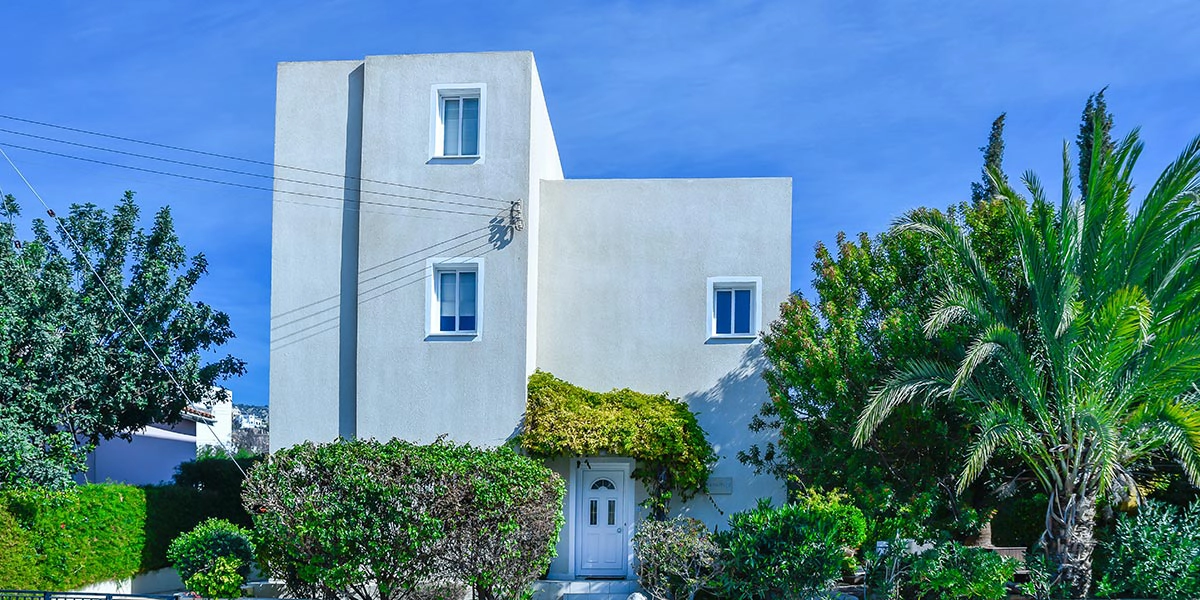
Whether you're selling a house, apartment, or land in Cyprus, reach international buyers and pay 0% commission. A fast, simple way for private sellers across Cyprus to advertise their property and save thousands.
4.8/5 - Trusted by +19,000 sellers
Selling a property in Cyprus?
List your home, land or investment with Magnolia Property
and get maximum exposure.
✓
Huge international exposure
Your property on leading international property portals.
✓
Access to buyers across the world
Reach buyers in Europe, UK, Scandinavia, the US and more.
✓
0% commission - save thousands
Save thousands compared to traditional estate agents.
✓
Full control of your sale
Deal directly with buyers and at your own pace.
✓
Trusted since 2004
Over 19,000 private sellers have listed with Magnolia Property.
Yes the sale was from one of your leads so we are very pleased. We have convinced a friend here to use your site and he is having the photos done this week to put on the advert.
We were contacted three weeks ago by a couple who saw your advert. Since then, they’ve been to the property and made a legal offer which we’ve now accepted. Thanks for your help.
Yes we are very impressed! We will have to wait about 3 months for the buyer to get the mortgage/title deeds sorted but we plan to rent to her with a contract from solicitors etc in the meantime but we are really hopefully it will all go to plan. Mind you its a fab apartment much better than the average and we priced it to sell!
I have been told this morning that the buyer for my property has signed the sales contract. Therefore, please take down my advert or mark it as sold. The Magnolia advert has been a great help and I am recommending you to friends.
I've very much appreciated the way that you have run your business and the feedback provided to us on the performance of the advertising. I shall happily recommend Magnolia to anyone looking to buy or sell property.
I have now sold my land. There is a couple who have paid a deposit and fingers crossed I can get final documents and exchange of deeds sorted very soon. Many thanks for a great site.
Our property in Polis has now been sold. Although we did not sell via Magnolia, we did get a reasonable offer from one of your referrals. We would definitely recommend your service to anyone thinking of selling abroad. Many thanks.
A step by step guide for selling a property in Cyprus privately.
1. Organise Your Legal and Property Documents
Begin by sourcing your property's title deeds, tax certificates, and any planning permits from the Cyprus Land Registry. You'll also need a Property Sales Contract, which can be drafted by a local solicitor. Ensure all documents are up-to-date and accurate to prevent legal complications.
2. Determine a Realistic Asking Price
Assess current market conditions in Cyprus, particularly in your property's location like Nicosia, Limassol, or Paphos. Consider recent sales of similar properties. You may wish to hire a professional valuer to ensure an accurate and realistic asking price.
3. Prepare Your Property's Presentation
High-quality photographs and detailed descriptions are essential. Highlight unique features, the property's condition, and its proximity to local amenities. Consider professional services for photography to best showcase your property in Cyprus.
4. Advertise to Domestic and Foreign Buyers
Advertise on international property websites, local newspapers, and social media platforms. English, Greek and Russian are widely spoken in Cyprus, so consider translating your advertisement to reach a wider audience.
5. Handle Buyer Enquiries
Respond promptly and accurately to all enquiries. Be prepared to provide additional information about the property and the local area. It's crucial to maintain professionalism and transparency to build trust with potential buyers.
6. Manage Viewings and Negotiations
Schedule viewings at convenient times and be prepared to negotiate the price. Once an agreement is reached, a Reservation Agreement can be signed, and a small deposit paid to take the property off the market.
7. Complete the Legal Process and Receive Payment
Engage a solicitor to handle the legal transfer of ownership. The final sales contract will need to be signed in front of a Cyprus notary. Once the transfer deeds are registered at the Land Registry, the remaining payment can be received.
Understanding the property market in Cyprus is crucial when considering selling your home or land. Market conditions, buyer demand and regional variations, ranging from the bustling cities of Nicosia and Limassol to the serene villages of Troodos Mountains, significantly influence the selling process and potential returns.
Key Trends & Market Overview
Property Prices and Market Direction: In Cyprus, property prices have been experiencing a steady increase over the past few years. This trend suggests that sellers might achieve favourable prices, however, timing the market remains crucial for capitalising on this trend.
Transaction Activity and Buyer Confidence: Transaction activity has been relatively buoyant, especially in cities like Nicosia and Limassol. This reflects a high level of buyer confidence, providing a favourable climate for sellers to negotiate better deals.
Interest Rates, Mortgages and Affordability: Interest rates in Cyprus remain comparatively low, encouraging mortgage activity. This enhances property affordability for a wider range of buyers, potentially increasing demand for your property.
Domestic and International Buyer Activity: Cyprus continues to attract both domestic and international buyers, particularly from the UK and Russia. This diversified buyer pool can provide sellers with more opportunities to sell their properties.
Property Supply and Emerging Market Trends: With new developments in areas like Paphos and Famagusta, an increase in property supply is observed. However, the unique charm of older properties in traditional locations might still appeal to a significant segment of buyers.
Regional / Segment Variations
Nicosia Property Market: As the capital city of Cyprus, Nicosia enjoys a buzzing property market, mainly dominated by apartments and townhouses. The city centre is a hub for business, education, and culture, attracting a diverse range of buyers, including young professionals, students, and investors. Prices here are relatively high, reflecting the demand and the city's prestige. The selling timescale in Nicosia is largely dependent on the type and location of the property, with apartments in the city centre generally selling faster than suburban properties.
Coastal Property Markets: Limassol and Paphos: These coastal cities are renowned for their luxury villas and apartments, largely attracting international buyers looking for holiday homes or investment properties. Limassol, in particular, is a booming hub for real estate investment, with prices reflecting the high-end nature of the properties. Paphos, known for its rich history and stunning views, also boasts a strong property market, with a slower turnover due to its more relaxed, holiday atmosphere.
Larnaca: The Rising Star: Larnaca is a city on the upswing. Its ongoing urban transformation and new marina project have been attracting investors and buyers in recent years. Properties here range from apartments to villas, with prices generally lower than in Limassol or Paphos. As such, this is an appealing market for those seeking a balance between city and coastal living.
Rural and Inland Property Market: Areas such as Troodos and the Akamas Peninsula offer a different side of Cyprus, with rural properties including traditional stone houses and plots of land. These areas attract buyers looking for a quieter lifestyle, away from the hustle and bustle of the city. Prices here are typically lower, with a longer selling timescale due to the specific lifestyle appeal.
Luxury and Investment Property Market: Luxury properties are concentrated in areas such as Limassol Marina and the beachfront areas of Paphos. These high-end properties attract wealthy domestic and international buyers, particularly from countries like Russia and China. Investment properties, on the other hand, are spread across the island, with Nicosia and Limassol being the primary hubs due to their strong rental markets. Prices in these markets
Demand Drivers
Key factors influencing property demand in France include:
In the heart of the Mediterranean, Cyprus offers an attractive property market characterised by robust demand from various buyer categories. This demand is driven by a myriad of factors ranging from domestic growth to international interest, and from lifestyle to economic considerations. The following are some of the main drivers of property buyer demand in Cyprus:
Domestic Buyer Demand: The local population's demand for property, particularly in urban areas like Nicosia and Limassol, remains strong. Apartments and smaller homes are especially sought after by Cypriot first-time buyers and young families.
International Purchasers: Cyprus is a popular destination for buyers from the UK, Russia, and increasingly from China and the Middle East. These buyers often opt for villas and luxury apartments in coastal regions such as Paphos and Famagusta, attracted by the island's lifestyle and investment potential.
Retirement and Lifestyle Migration: The island's warm climate, relaxed lifestyle, and high standard of living attract retirees, particularly from the UK and other European countries. They typically seek properties in quieter, scenic regions like the traditional villages of the Troodos Mountains or the peaceful district of Larnaca.
Tourism and Second-Home Ownership: With its extensive coastline and rich history, Cyprus is a tourist hot spot which fuels demand for vacation properties. Regions such as Ayia Napa and Protaras, known for their pristine beaches, are popular for second-home ownership.
Infrastructure and Economic Development: Recent improvements in infrastructure, particularly in Limassol with its new marina, and the continued growth of the services sector, are attracting foreign businesses and expatriates. This drives demand for both residential and commercial properties in these economically thriving areas.
Risks & Considerations
Title and Property Registration: In Cyprus, it's essential to ensure that the title deeds are clean and ready for transfer. The Department of Lands and Surveys is responsible for issuing title deeds, which certify the ownership of the property. It's worth noting that there can be significant delays in obtaining title deeds due to bureaucratic procedures. Unresolved disputes or issues with the property can also complicate the process. Therefore, it's advisable to consult with a local solicitor to avoid potential legal pitfalls.
Building Permits and Planning Compliance: All properties in Cyprus require relevant building permits and must comply with local planning regulations. Failure to obtain these can result in legal issues and penalties. Additionally, any alterations or additions to the property need their own permits and must be included in the final sale agreement. Ensure all necessary documents are in order before listing your property for sale.
Seller Taxes and Transaction Costs: When selling a property in Cyprus, you may be liable for Capital Gains Tax (CGT) if you've made a profit from the sale. The current CGT rate is 20%, although exemptions may apply if the property was your primary residence. Also, be aware of potential transaction costs such as notary fees and legal expenses. It's advisable to consult with a tax consultant to understand your obligations.
Restrictions Affecting Foreign Buyers: Cyprus has certain restrictions for non-EU buyers. They can only purchase one property, and the land area must not exceed 4,014 square metres. Foreign buyers also need to obtain a permit from the Council of Ministers, which can extend the sale process. Be mindful of these restrictions when targeting potential buyers.
Market Liquidity and Pricing Risks: While the property market in Cyprus has been steadily growing, it's important to be aware of market liquidity and pricing risks. Properties in popular areas like Paphos, Limassol, and Nicosia tend to sell quicker than more remote regions. Also, setting a competitive price based on current market trends is crucial to attract potential buyers. However, predicting the market can be challenging, so it's advisable to seek professional advice to price your property accurately.
Selling property in Cyprus FAQs
Do I need a lawyer or notary to sell a property in Cyprus?
Yes, you typically need a lawyer to handle the legal aspects of selling a property. A notary public may also be involved in the sales process for drafting and authenticating documents.
What documents are required to sell a property in Cyprus?
Documents include Title Deeds, Stamped Sales Agreement, Tax Clearance Certificate, and a completion statement. A lawyer can help gather these documents.
How long does it typically take to sell a property in Cyprus?
Typically, the process may take 1-2 months, but it can vary depending on the market and individual property characteristics.
How are offers, deposits, and sale agreements handled in Cyprus?
Offers are usually followed by a deposit to secure the property. Sale agreements are then drafted, reviewed by lawyers, and signed by both parties.
Are there any restrictions on foreign buyers purchasing property in Cyprus?
Foreign buyers are generally permitted to buy property in Cyprus, but may need to secure a permit from the Council of Ministers in some cases.
What is the requirement for energy certificates when selling property in Cyprus?
An Energy Performance Certificate (EPC) is required when selling property. This must be obtained prior to the sale and shown to potential buyers.
What taxes and costs are payable by the seller when selling property in Cyprus?
Sellers are liable for capital gains tax and must also settle any outstanding property taxes. Costs may also include legal fees and notary fees.
How do I handle currency and receiving sale proceeds when selling property in Cyprus?
Proceeds are typically received in Euros. If you live abroad, you'll likely need an international bank account or a currency transfer service.
Note: This is general information, not legal advice. Requirements can vary by property type and situation.
Implications for Sellers
Set a Competent Asking Price: Research recent sales in your local area, such as Limassol or Paphos, to get a realistic gauge of current market value. Be aware that overpricing may deter potential buyers.
Highlight Local Selling Points: Emphasise unique regional features, from the stunning beaches of Ayia Napa to the historical richness of Nicosia. Buyers, particularly those from abroad, will appreciate the local charm.
Reach A Wide Buyer Pool: Market your property on international platforms, not just local Cyprus-based websites. This can attract a broader range of potential buyers, including those from the UK, Russia and China.
Ensure Legal Documents are Prepared: Before marketing, ensure all property documents, such as the title deeds and building permits, are in order. Consult a solicitor or notary to ensure you meet all legal requirements.
Present Property's Strong Features: Highlight the distinct characteristics of your property, whether it's the panoramic sea views, proximity to amenities in Larnaca, or the spacious interiors of your villa.
Be Transparent about Costs and Condition: Disclose any additional costs, like Immovable Property Tax or stamp duty. Also, provide an honest disclosure of the property's condition, to avoid disputes and facilitate a smoother sale.