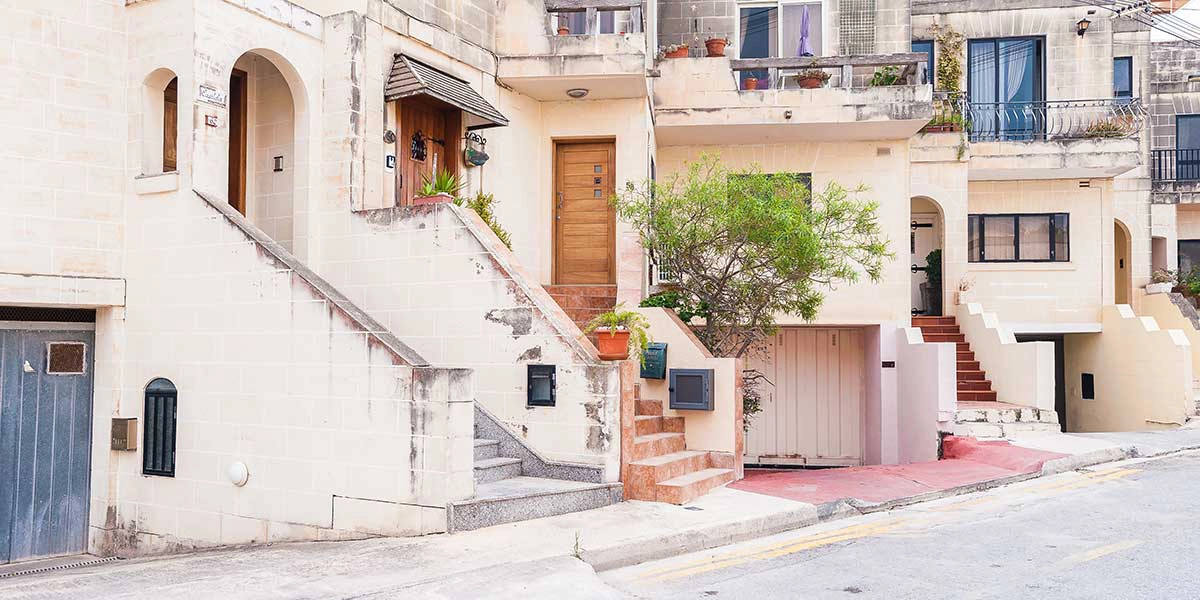
Whether you're selling a house, apartment, or land in Malta, reach international buyers and pay 0% commission. A fast, simple way for private sellers across Malta to advertise their property and save thousands.
4.8/5 - Trusted by +19,000 sellers
Selling a property in Malta?
List your home, land or investment with Magnolia Property
and get maximum exposure.
✓
Huge international exposure
Your property on leading international property portals.
✓
Access to buyers across the world
Reach buyers in Europe, UK, Scandinavia, the US and more.
✓
0% commission - save thousands
Save thousands compared to traditional estate agents.
✓
Full control of your sale
Deal directly with buyers and at your own pace.
✓
Trusted since 2004
Over 19,000 private sellers have listed with Magnolia Property.
I hereby wish to let you know that my apartment was sold after the first viewing from Magnolia Properties. Thank you for the use of your wonderful platform, should I wish to sell or buy another property, I will definitely be back!
A step by step guide for selling a property in Malta privately.
1. Compile Necessary Legal and Property Documentation
Start by gathering all legal documents relating to your property. These include your title deed, planning permissions, and any relevant building regulation certificates. Ensure to request a Hypothec Certificate from the Public Registry, which shows any outstanding debts on the property.
2. Determine a Realistic Asking Price
Research recent property sales in your area, especially in cities like Valletta and Mdina. Consider the size, condition, and location of your property. It's advisable to consult a professional property valuer to ensure a fair and realistic asking price.
3. Prepare High-Quality Photographs and Descriptions
Quality photographs and detailed descriptions are crucial for attracting potential buyers. Highlight unique features of your property and its surroundings. For properties in tourist hotspots like Gozo, emphasise the lifestyle benefits.
4. Advertise to Local and International Buyers
Advertise your property on reputable platforms like MagnoliaProperty.com. Consider the interest of buyers from Italy, the UK, and Scandinavia who are major property buyers in Malta. Include keywords relevant to Malta's real estate market to attract more viewers.
5. Manage Buyer Enquiries Efficiently
Respond to buyer enquiries promptly and professionally, providing additional information when needed. It could be about local amenities in places like Sliema or St Julian's, or about Maltese property laws. Be transparent to maintain buyer trust.
6. Conduct Viewings and Negotiate Offers
Schedule property viewings at convenient times for potential buyers. Be prepared to negotiate offers. Once an agreement is reached, ensure the Promise of Sale Agreement (Konvenju) is signed in the presence of a notary.
7. Complete the Legal Process and Receive Payment
Upon signing the Final Deed, the buyer pays the agreed price and the property ownership is transferred. Taxes, including stamp duty, are paid at this stage. Engage a notary to oversee this process and ensure all legal obligations are met.
Understanding Malta's property market is vital for a successful sale. Market conditions, buyer demand, and regional variations, from the bustling streets of Valletta to the serene landscapes of Gozo, all influence your selling strategy. Thus, a well-informed approach is key to achieving your property goals.
Key Trends & Market Overview
Property Prices and Market Direction: Malta's residential property market has been experiencing moderate growth in recent years. This trend suggests that sellers can potentially receive favourable offers, yet it's vital to price properties realistically to attract buyers.
Transaction Activity and Buyer Confidence: Despite global uncertainties, Malta's real estate market remains relatively stable. Sellers can expect a steady stream of interested buyers, but patience might be required due to longer transaction times.
Interest Rates, Mortgages and Affordability: With historically low interest rates in Malta, affordability has improved for many buyers. Sellers, therefore, may see an uptick in demand, especially for reasonably priced properties.
Domestic and International Buyer Activity: While domestic demand remains steady, Malta continues to attract international buyers, particularly from the UK and EU. Sellers should consider this wider audience when marketing their properties.
Property Supply and Emerging Market Trends: With urbanisation trends and an increase in luxury developments, there's a shift in demand towards city properties and modern residences. Sellers with such properties can expect a competitive market.
Regional / Segment Variations
Capital and Major Urban Property Markets: Areas such as Valletta and Sliema are the most populous and therefore have the highest demand for properties. The demand and limited supply in these areas tend to drive up asking prices. Buyers in these regions typically consist of a mix of local and international investors. Consequently, properties can sell relatively quickly if realistically priced.
Popular Coastal and Holiday Destinations: The coastal areas of Mellieha and Marsaskala are famous amongst holidaymakers and retirees. Properties in these regions can command higher prices due to their proximity to the sea and tourist facilities. The potential buyer audience is mainly foreign, which could mean longer selling timescales due to additional legal checks and procedures.
Rural and Inland Property Markets: Inland regions such as Zebbug and Sigġiewi are often overlooked by foreign buyers; however, they are popular with locals seeking a quieter lifestyle. The property prices in these areas are generally lower, and the selling times could be longer due to the smaller pool of potential buyers.
Luxury and Investment Property: High-end luxury properties are mainly concentrated in the areas of Madliena and Tigne Point. They tend to attract high-net-worth individuals and investment buyers. Prices in these areas can be considerably higher, and selling timescales can vary significantly depending on the condition of the global luxury property market.
Areas with Stronger or Weaker Demand: Demand is typically stronger in urban and coastal areas due to the amenities these locations offer. Conversely, demand can be weaker in remote or less developed regions such as Gozo. However, such areas may appeal to buyers seeking peace and tranquillity, potentially leading to niche opportunities for sellers.
Demand Drivers
Key factors influencing property demand in France include:
In Malta, a Mediterranean archipelago with an enticing blend of culture, history, and contemporary lifestyle, the property market attracts a diverse range of buyers. Factors influencing the demand for properties range from domestic needs to international interests, lifestyle preferences, and economic dynamics.
Domestic Buyer Demand: The steady growth of Malta's population fuels a consistent demand for residential properties, particularly in central regions like Valletta and Sliema. Apartments are the preferred choice for many locals due to their affordability and availability.
International Purchasers: Malta's strategic location, favourable climate, and strong economy attract buyers from across Europe, primarily from the UK, Italy, and Germany. These buyers often seek luxury properties, especially seafront villas and penthouses, in prime areas like St. Julian's and Gozo.
Retirement and Lifestyle Migration: Malta is a popular retirement destination due to its relaxed lifestyle, healthcare facilities, and English-speaking populace. Retirees often opt for bungalows or farmhouses in quieter regions like Marsaskala and Mellieha.
Tourism and Second-Home Ownership: With its vibrant tourism industry, Malta sees a high demand for holiday homes and rental properties. Tourist hotspots like Bugibba, Qawra, and the Gozo region offer attractive opportunities for second-home ownership.
Infrastructure and Economic Development: Malta's continuous economic growth and infrastructural developments make it appealing for both local and foreign investors. Commercial properties in business hubs like Gzira and Msida, and industrial properties near the Marsa Industrial Estate, are particularly sought after.
Risks & Considerations
Title and Property Registration: In Malta, property ownership is confirmed by the Public Registry or the Land Registry. It's crucial to ensure that your property is registered correctly. While not a legal obligation, a common practice is to hire a notary or solicitor to assist in verifying the property's legal status and help prepare the necessary documentation.
Building Permits and Planning Compliance: Properties in Malta must comply with local planning and building regulations. Breaches can result in penalties and make selling your property more difficult. If you have made alterations to your property, ensure you have the correct permits. This is especially relevant in historic regions like Valletta, where building regulations can be stringent.
Seller Taxes and Transaction Costs: When selling a property in Malta, you are liable to pay a final withholding tax, typically around 8% of the property's selling price. However, the rate may vary depending on your tax residency status and the duration of property ownership. Additionally, notarial fees and other transaction costs are usually borne by the seller.
Restrictions Affecting Foreign Buyers: Foreign buyers in Malta may face certain restrictions, including the need to obtain an Acquisition of Immovable Property (AIP) permit if the property is outside designated Special Designated Areas (SDAs) like Tigné Point, Portomaso, and others. This could potentially limit your pool of prospective buyers.
Energy Performance Certificates: As a seller, you are legally required to provide an Energy Performance Certificate (EPC) to prospective buyers in Malta. This document rates the energy efficiency of your property and is valid for ten years. Failure to provide an EPC can result in fines, so ensure you have an up-to-date certificate before listing your property for sale.
Selling property in Malta FAQs
Which professionals are required when selling property in Malta?
In Malta, a notary public is essential to validate property sale contracts. Lawyers are not mandatory but are recommended for legal advice and to assist with complex transactions.
What documents do I need to sell property in Malta?
The key documents are the property deed, planning permission, building compliance certificate, and energy performance certificate. A notary public can help you compile these.
How long does it typically take to sell a property in Malta?
Selling timescales vary, but it typically takes 3-4 months from accepting an offer to completion. This includes document preparation, notary searches, contract signing and property registration.
What's the process for offers, deposits, and sale agreements in Malta?
The buyer makes an offer, and if accepted, pays a 10% deposit. A 'Promise of Sale Agreement' is then signed. The final contract is signed before a notary after due diligence.
Are there any restrictions for foreign buyers in Malta?
Foreign buyers can generally purchase one residential property. Additional purchases or properties for investment require a permit from the Maltese government.
What are the legal compliance and energy certificate requirements for selling property in Malta?
Malta requires sellers to have an Energy Performance Certificate (EPC) before marketing a property. Compliance with building regulations and planning permissions is also essential.
What are the taxes and costs payable by the seller in Malta?
Sellers typically pay 8% tax on the selling price. Other costs can include notary fees and any outstanding property taxes. Always check current rates and rules.
How do I receive proceeds from a property sale in Malta?
Sale proceeds are typically paid in Euro. If you live abroad, consider currency exchange rates and international bank transfer fees. You may want to use a currency specialist.
Note: This is general information, not legal advice. Requirements can vary by property type and situation.
Implications for Sellers
Set a Competitive Price: Research the local property market in areas like Valletta, St. Julian's, and Gozo to understand the current pricing trends. Use these insights to set a realistic asking price for your property.
Highlight Regional Selling Points: Emphasise unique features of your property's location, such as proximity to Malta's beautiful beaches, historical sites, or bustling city centres to appeal to both local and international buyers.
Target Both Domestic and International Markets: Advertise your property on local Maltese platforms as well as international real estate websites to widen your potential buyer pool. Consider translating your listing into other languages like German and French for wider reach.
Prepare Legal Documents: Ensure all necessary legal documents are ready before marketing your property. Consult with a notary to prepare the contract of sale, and to verify your property's title and permits.
Promote Property Features: Highlight your property's strengths, such as a sea view, proximity to amenities, or recent renovations. High-quality photos and detailed descriptions can effectively showcase these features.
Be Transparent: Disclose all relevant costs, including Maltese stamp duties and notary fees, and be honest about the property's condition. This transparency can foster trust with potential buyers and expedite the selling process.